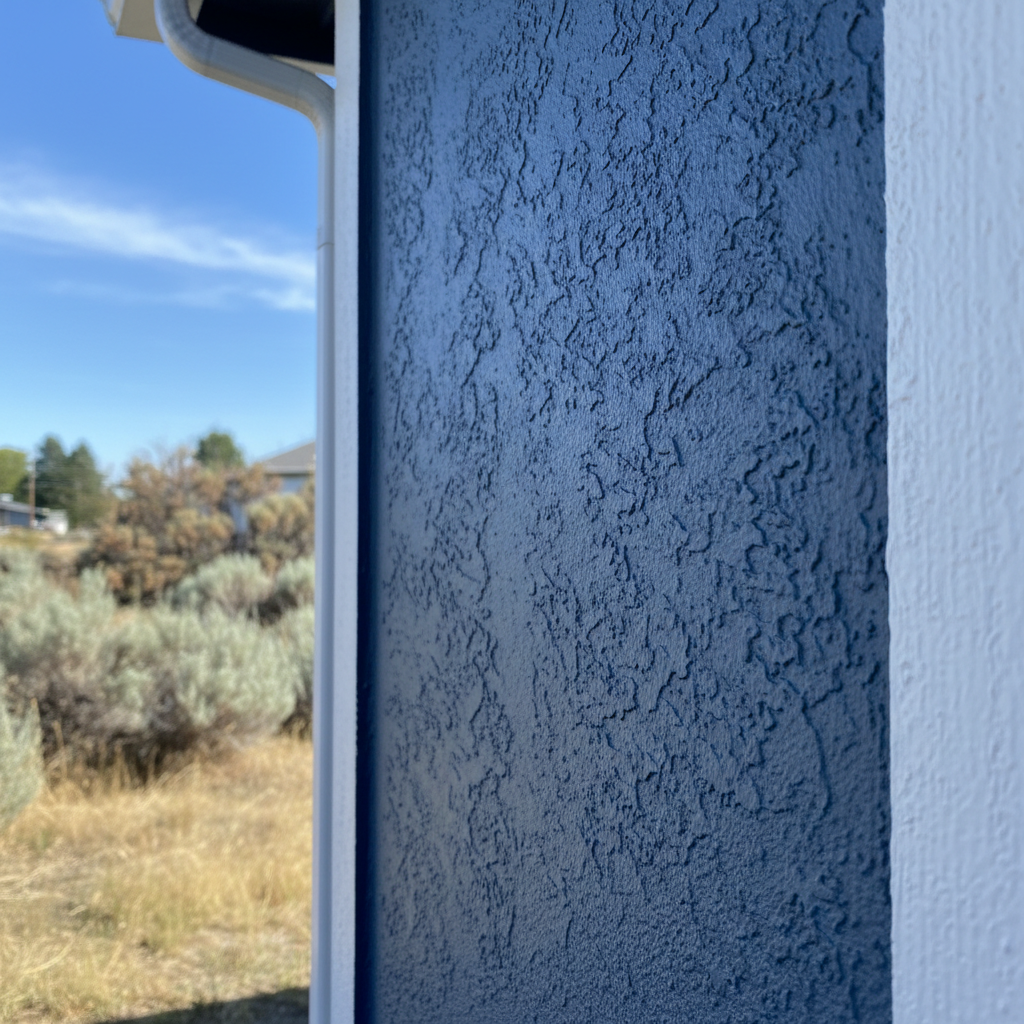
So, you're looking at your house and thinking it's time for a fresh coat of paint. Good for you! Exterior painting isn't just about making your place look good; it's about protecting your biggest investment from our Tri-Cities weather. But before you grab a brush, let's talk about what's involved and when it makes sense to tackle it yourself versus calling in the cavalry.
Before You Even Think About Paint
First things first: preparation is king. Seriously, this is where most DIY jobs go sideways. You can't just slap new paint over old, peeling stuff. It won't stick, and it'll look terrible in a year. Here's what you need to do:
- Inspect Your Exterior: Walk around your entire house. Look for loose paint, rotten wood, cracks, mildew, and anything else that looks off. Pay special attention to areas that get a lot of sun, like south-facing walls, because that UV exposure really takes a toll.
- Clean, Clean, Clean: You need a clean surface for paint to adhere properly. That means power washing. If you've got mildew, you'll need a bleach solution or a good mildew cleaner. Don't skip this step. Dirt, dust, and grime will prevent your new paint from lasting.
- Scrape and Sand: Any loose or peeling paint needs to come off. Use a scraper, then sand the edges smooth. You don't want those old paint lines showing through your new coat. This is tedious, back-breaking work, especially on a two-story house.
- Repair and Replace: Rotten wood? Cracks in stucco? Loose siding? Fix it now. Painting over problems just hides them temporarily; they'll come back to haunt you. Fill holes, caulk gaps, and replace any damaged materials.
- Prime Time: Once everything is clean, scraped, sanded, and repaired, you'll need to prime any bare wood or patched areas. Primer helps the topcoat stick better and provides a uniform surface.
This 'before' stage? It's probably 70% of the entire job. If you're not ready for a solid week or two of just prep work, you might want to rethink the DIY route.
Choosing Your Paint and Tools
Don't skimp on paint. Seriously. This isn't the place to save a few bucks. A good quality exterior paint will last longer, cover better, and stand up to our hot Richland summers and windy winters. I always recommend 100% acrylic latex paints for most homes around here. They're flexible, breathe well, and resist fading and cracking.
As for tools, you'll need brushes, rollers, tarps, ladders (and knowing how to use them safely!), painter's tape, caulk guns, and maybe a sprayer if you're feeling ambitious. If you're not comfortable on a tall ladder, especially on uneven ground or around landscaping, that's a big sign to call someone else.
During the Painting Process
Once you've done all that prep, the actual painting can begin. Here are a few pointers:
- Watch the Weather: This is huge in Richland. You don't want to paint in direct, blazing sun, or when it's too cold, or if rain is coming. Ideal conditions are usually between 50-85 degrees Fahrenheit, with low humidity, and no wind. Our afternoon winds can kick up dust and debris, ruining a fresh coat.
- Work Top to Bottom: Start at the top of your house and work your way down. This way, any drips or splatters will fall onto unpainted surfaces, or surfaces you haven't finished yet.
- Two Coats are Best: Most exterior paints require two coats for full coverage and durability. Don't try to get away with one.
- Cut In Carefully: Take your time around windows, doors, and trim. A clean line makes a huge difference in the final look.
This part can be satisfying, seeing the transformation. But it's also physically demanding, especially if you're dealing with multiple stories or complex architectural details.
When to Call a Pro (Like Us at Richland Painting Company)
Look, I'm a contractor, so of course, I'm going to say sometimes you need a pro. But it's not just about getting the business; it's about getting the job done right and safely. Here's when it's probably smarter to call someone like Richland Painting Company:
- Height and Safety: If your house is two stories or more, or has steep pitches, or you're just not comfortable on a ladder, don't risk it. A fall can be devastating. We've got the right equipment and training.
- Extensive Damage: If you've got a lot of rotten wood, major cracking, or widespread mildew, that's a bigger repair job than most homeowners want to tackle.
- Time Constraints: Exterior painting is a big project. If you don't have several weeks to dedicate to it, it's going to drag on and likely get rushed.
- Complex Architecture: Lots of trim, intricate details, different siding materials – these all add complexity and time.
- Lead Paint Concerns: If your house was built before 1978, there's a good chance it has lead-based paint. Disturbing it requires special precautions and disposal methods. Don't mess with lead paint yourself.
- You Just Don't Want To: Honestly, sometimes you just don't have the energy or desire. And that's perfectly fine! Your time has value too.
After the Paint Dries
Once the paint is dry, do a final walk-around. Check for any missed spots, drips, or areas that need a touch-up. Clean up all your tools and materials properly. Your house should now look fantastic and be well-protected for years to come.
Whether you decide to tackle it yourself or bring in the pros, understanding the process is key. It's a big job, but a rewarding one when done right. Just remember, proper prep and good quality materials are non-negotiable for a lasting finish.