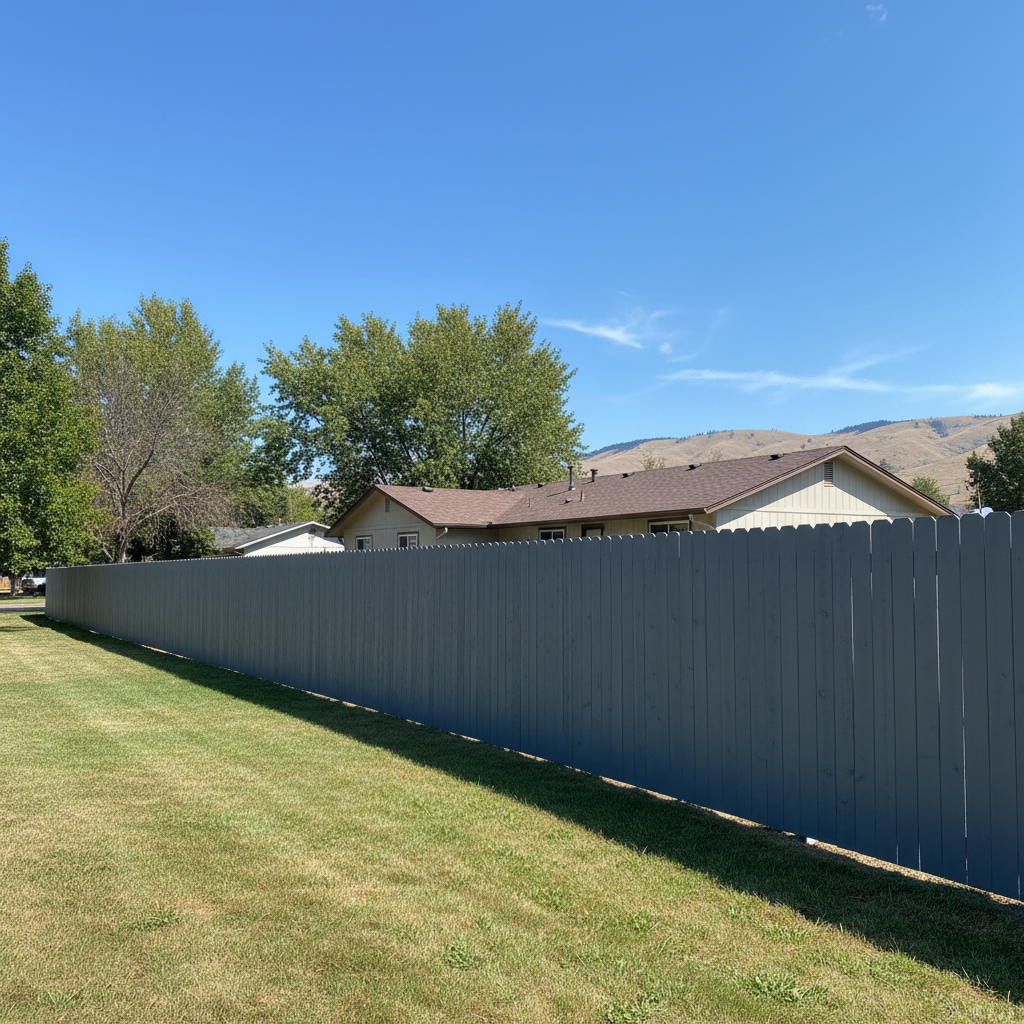
Alright, let's talk about painting your fence. It's more than just slapping on some color; a good fence painting project needs a little smart thinking upfront if you want it to look good and actually last. You're putting in time and money, so let's make sure you get it right, okay?
Timeline: When to Paint Your Fence in Richland
Timing is everything, especially here in Richland. You can't just paint a fence whenever the mood strikes. The weather's the biggest factor. We really need a stretch of dry days, ideally with temperatures hanging between 50 and 85 degrees Fahrenheit. That usually means spring and early fall are your best bets around here.
Summer can work, sure, but you've really got to watch out for those scorching hot days. If it's pushing 95 degrees, the paint can dry way too fast, which leads to problems like blistering or it just won't stick right. Plus, working in that kind of heat? It's just plain miserable. I've seen plenty of folks try to rush a job in July, only to have it peel within a year. Believe me, it's not worth it.
So, when you're thinking about a timeline, don't just pick a random week. Check the forecast, and plan for at least three to five dry days in a row. That gives us enough time for proper prep, getting the paint on, and letting it cure.
What to Expect During the Process
When you bring in a pro like Richland Painting Company, here’s generally how we'll handle things:
- Initial Assessment: First off, we'll swing by and take a good look at your fence. We're checking its condition, what kind of wood it is, if there's any old paint or stain hanging around, and what kind of prep work it'll need. This helps us put together an accurate quote for you.
- Preparation is Key: This step? It's probably the most important one, and it's where a lot of DIY projects go sideways. We'll give the fence a thorough cleaning, often power washing it to blast away dirt, mildew, and any loose paint. If there's old, peeling paint, we'll scrape and sand it down. Any repairs needed, like swapping out rotten pickets, should happen right now. This part can easily take a day or two, depending on how big and beat-up your fence is.
- Protecting Your Property: We'll cover up any nearby plants, landscaping, or parts of your house that aren't getting painted. Nobody wants paint splatter on their prize-winning roses or siding, right?
- Priming (If Needed): For raw wood or if you're going for a really big color change, a primer might be necessary. This helps the paint stick better and gives you a much more even finish.
- Painting/Staining: Finally, the actual painting! We usually put on two coats for durability and that consistent look. We use brushes, rollers, or sprayers — whatever works best for your fence type and will give the nicest finish.
- Cleanup: Once we're done, we'll pack up all our equipment and materials. We'll leave your yard just as we found it, but with a fantastic-looking fence.
The whole process, from start to finish, can take anywhere from a couple of days for a smaller fence to a week or even more for a really large or complicated one. It honestly just depends on the fence's condition and size.
How to Prepare Your Property for the Painters
You can actually help make the whole process smoother and faster. Before we even show up, here's what you can do:
- Clear the Area: Move everything away from the fence line – patio furniture, grills, planters, kids' toys, dog houses, you name it. We need about three to four feet of clear space on both sides of the fence to work without tripping over things.
- Trim Landscaping: If you've got bushes, shrubs, or tree branches growing right up against the fence, trim them back. This not only gives us room to work but also helps stop future moisture problems against the fence.
- Secure Pets: Keep your pets indoors or in a safe spot away from where we're working. We'll have equipment, ladders, and wet paint, and we certainly don't want any accidents.
- Inform Neighbors: If your fence sits on a property line, it's a good idea to let your neighbors know when the work is scheduled. It's just good manners, and they might appreciate the heads-up about noise or needing temporary access.
- Water Access: Make sure we can get to an outdoor water spigot. We'll need it for cleaning and sometimes for thinning out materials.
Doing these things beforehand means we can get right to work and not waste time on prep that you could have easily handled. It might even save you a little money on labor costs, too.
Questions to Ask Before Signing a Contract
Before you commit to any painting company, you really need to ask some direct questions. Don't be shy; it's your home and your money, after all.
- What kind of prep work is included in the quote? Make sure they spell out exactly how they'll clean, scrape, and sand.