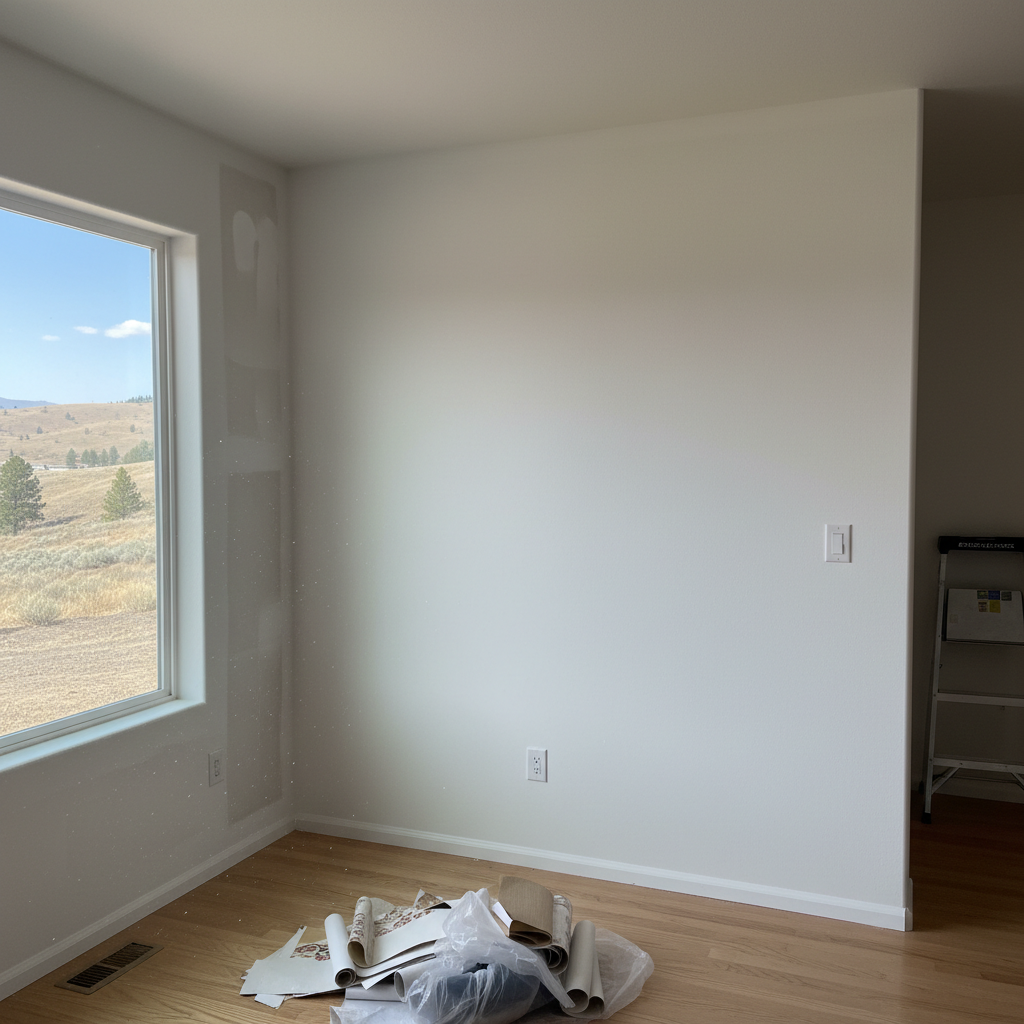
You've decided it's time for that old wallpaper to go. Great! It's a big step towards updating your home. But before you grab a steamer or call the first guy you find online, let's talk about some common mistakes I see folks in Richland make. These aren't just minor hiccups; they can lead to bigger bills, damaged walls, and a whole lot of frustration.
Mistake #1: Underestimating the Job (and Your Own Patience)
I hear it all the time: "How hard can it be? It's just paper, right?" Wrong. Wallpaper removal is rarely just "peeling off paper." Especially if it's older wallpaper, or if it was installed directly onto unprimed drywall. That's a recipe for disaster, and it's a mistake many homeowners here in the Tri-Cities make. You start pulling, and suddenly you're not just removing wallpaper; you're removing chunks of drywall paper, too. Now you've got a much bigger, messier, and more expensive repair job on your hands before you can even think about painting.
Then there's the time commitment. What you think will be a weekend project can easily stretch into a week or more of scraping, steaming, and patching. Most people just don't have the tools, the experience, or frankly, the patience for it. It's a tedious, physically demanding job, and if you rush it, you'll pay for it later.
Mistake #2: Not Asking the Right Questions When Hiring
So, you've decided to hire someone. Smart move. But don't just ask for a price. You need to dig a little deeper. Here's what you should be asking:
- "What's your process for removal?" A good contractor won't just tell you they'll "take it off." They should explain if they'll be scoring, steaming, using chemical removers, and how they protect your floors and furniture.
- "How do you handle wall prep after removal?" This is crucial. If they just rip it off and say, "Okay, it's ready for paint," that's a huge red flag. There's almost always glue residue, minor tears, and imperfections that need to be cleaned, sanded, patched, and primed. Skipping this step means your new paint job will look terrible, and you'll see every imperfection.
- "What kind of primer do you use?" After removal, you need a good quality, oil-based or shellac-based primer. Water-based primers can reactivate old glue, causing bubbles and adhesion problems with your new paint. I've seen it happen too many times in homes around Badger Mountain South where folks tried to cut corners.
- "Are you insured?" This isn't just about wallpaper removal, it's about any work done in your home. If something goes wrong, you want to know they're covered, not you.
Mistake #3: Focusing Only on the Lowest Bid
Look, I get it. Everyone wants to save a buck. But when it comes to something as foundational as your walls, the cheapest bid is often the most expensive in the long run. A low bid usually means they're cutting corners somewhere. Maybe they're not doing proper wall prep, or they're using cheap materials, or they're rushing the job. You might save a few hundred upfront, but then you're paying thousands more to fix shoddy work a year or two down the road when your paint starts peeling or bubbling.
When Richland Painting Company gives you a quote, it's for the whole job done right: careful removal, thorough wall prep, proper priming, and a clean finish. We're not the cheapest guys in town, and we don't try to be. We're focused on quality that lasts.
Mistake #4: Not Considering the Wall's History
This goes back to the unprimed drywall issue. Sometimes, that wallpaper has been there for decades. Who knows what's underneath? There might be multiple layers of wallpaper, or it could have been put up over plaster that's seen better days. A good contractor will do a small test patch in an inconspicuous area to assess the situation before diving in. This helps them understand the wall's condition and gives you a more accurate estimate of the time and effort involved.
Don't just assume your walls are in perfect condition under that floral pattern from the 80s. A little investigation upfront can save you a lot of grief later.
Mistake #5: Not Planning for the Aftermath
Once that wallpaper is gone, what's next? Are you painting? Are you putting up new wallpaper? You need to have a clear plan. If you're painting, make sure you've picked your colors and have a timeline in mind. Good wall prep takes time, and you don't want to rush the painting process either. Think about the whole project, not just the removal phase.
Taking off old wallpaper can transform a room, but it's a project that demands respect. Do your homework, ask the right questions, and don't be afraid to invest in quality work. Your walls (and your sanity) will thank you for it.